Reps. Figures and Taylor filed a bill to let the DOT switch off the numbers that chameleon carriers rotate through. The gap it aims at is fourteen years old and well documented.
On September 4, 2026, Representatives Dave Taylor of Ohio and Shomari Figures of Alabama introduced the Registration Enforcement for Vehicle Operations of Known Evaders Act, the REVOKE Act, a bipartisan bill they say will let the Federal Motor Carrier Safety Administration and the Department of Transportation shut down carriers that rotate through USDOT numbers to hide a safety record. According to the sponsors’ September 4 release, the bill affirms that a carrier’s USDOT number must be active for it to legally operate, and it gives the Secretary of Transportation authority to immediately inactivate the number of an operator that lacks valid registration or fails to make required periodic updates. That is the news. The bill’s target is not new, though, and the gap it aims at was named by a federal watchdog fourteen years ago and never fully closed for the freight side of the industry. The story worth telling is why a practice everyone in trucking can describe on demand is still legal to build a business on.
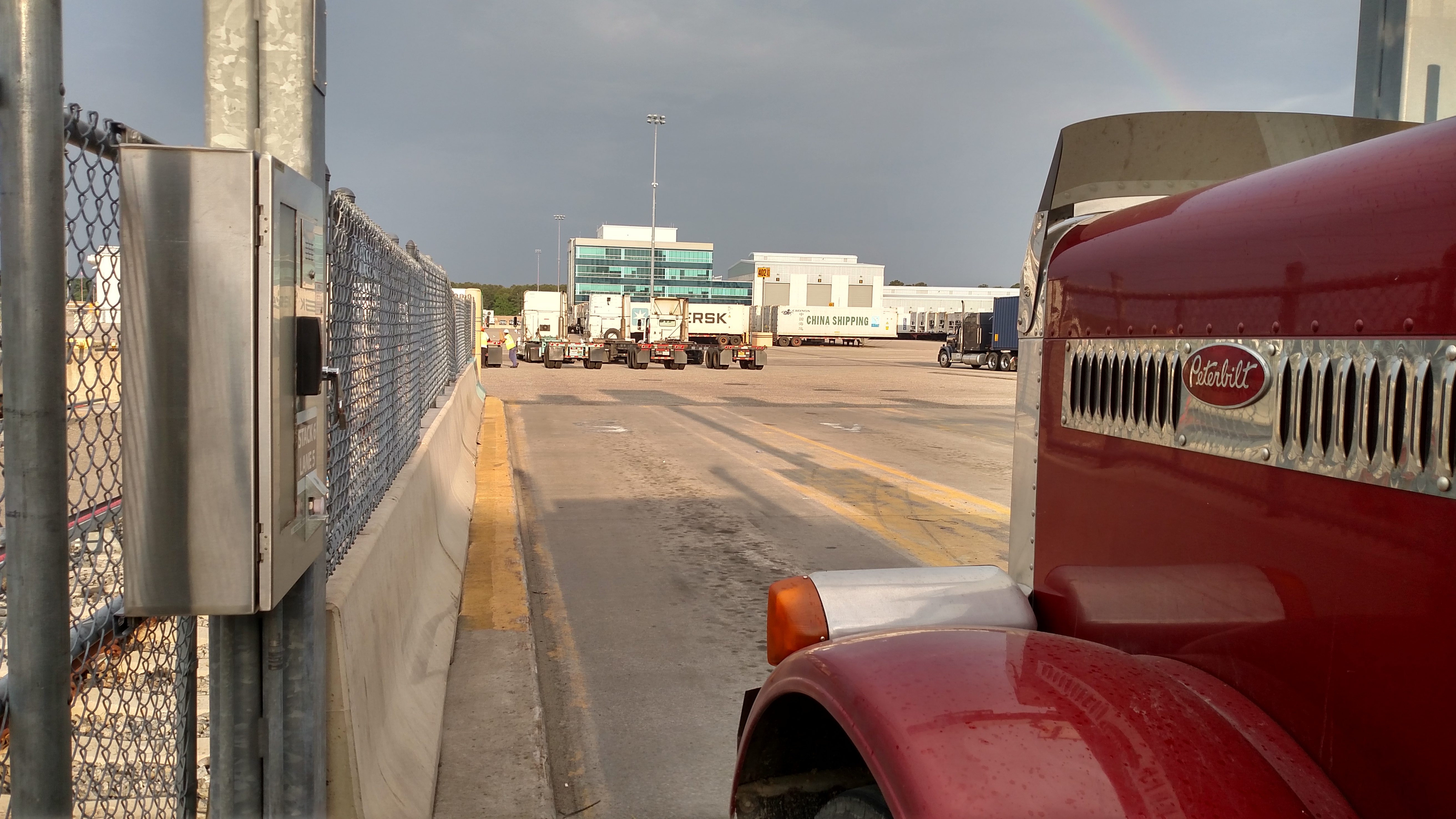
Same trucks, same people, same yard, new paper. That is what an operator means by a chameleon carrier, and the FMCSA and the GAO call it a reincarnated or successor carrier. A company piles up violations, gets rated unfit, gets put out of service, or walks away from an unpaid civil penalty, and then it registers again under a new name and a new USDOT number and goes back to work with the record left behind. The point of reincarnating is to shed the history that should have followed the operator. Nothing about the new number tells a shipper, a broker, or a plaintiff’s lawyer that the trucks and the officers behind it are the same ones that got shut down last quarter.
The federal record on how dangerous this is goes back to a specific document. In its March 22, 2012 report, GAO-12-364, titled “New Applicant Reviews Should Expand to Identify Freight Carriers Evading Detection,” the Government Accountability Office found the number of carriers with chameleon attributes rising from 759 in 2005 to 1,136 in 2010. GAO also found that 18 percent of the applicants with chameleon attributes were involved in severe crashes compared with 6 percent of new applicants without them. Read plainly, a new carrier that matched the identifying details of a shut-down carrier was about three times more likely to end up in a crash with a fatality or injury. That is not a vibe. That is a measured gap between two groups of applicants, published for Congress, and it is the empirical spine under every bill filed on this subject since.
FMCSA runs a screening step that compares a new applicant’s registration data against data on existing carriers and flags the matches for investigation. The agency calls it the vetting program. The problem the GAO put in the title is who got screened. The vetting program was limited to bus companies and movers, two relatively small groups representing only 2 percent of all new applicants in 2010, selected because they present consumer protection and relatively high safety risks. At the time, the vetting program excluded 98 percent of all new applicants, including all freight carriers. The screen existed. Freight, the overwhelming majority of the industry, was standing outside it.
The GAO told the agency how to fix it and named the exact data fields to match on. The report said FMCSA should develop a data-driven, risk-based vetting methodology that compares new applicants to motor carriers with existing or previous enforcement issues and should look for common attributes, such as ownership, officers, addresses, and phone numbers. The agency did build a version of that. In its report to Congress on a risk-based vetting methodology, FMCSA described an automated screen, developed with PHMSA, that scores new applicants against prior carriers. As the GAO report states, companies with a match score of 1.5 or greater are identified as potentially having chameleon characteristics. The scoring model exists. What the sponsors say is still missing is whether the DOT could switch off a number quickly, and on what authority.
This raises the caution that has to sit next to this bill. A registration match is a lead, not a finding. When a new USDOT number shares a phone, an officer name, or a physical address with a carrier that got shut down, that is what the federal registration data shows, and nothing more. It does not by itself prove that the new company is the old one wearing new paper, and it does not prove intent to evade. The ATA made exactly this point about earlier chameleon proposals, warning that a low bar for proving succession could sweep in an operator whose only tie to a bad carrier is a family relationship. That tension is real, and a press release won’t resolve it. That’s why the GAO built a scored, investigated process rather than an automatic shutdown, and it is worth watching how the REVOKE Act’s text handles the same line.
The stakes land on the people who choose carriers, and they land in dollars. A broker or shipper that tenders a load to a reincarnated carrier has selected the risk whether it meant to or not, and a plaintiff’s lawyer building a negligent-selection case will pull the registration history and ask why nobody looked. The whole appeal of an active USDOT number is that it looks like clearance. It is a status, not a safety record. A compliant carrier has active authority and filed insurance, and that tells you it can legally dispatch a truck this morning. It tells you almost nothing about whether the officers behind it walked away from an unsatisfactory rating under a different name last year. The REVOKE Act tries to make the number mean more by letting the DOT turn it off when the registration behind it is invalid.
This isn’t the only bill circling the problem, which suggests the political weather has changed. In February 2026, Representative Harriet Hageman introduced the Safety and Accountability in Freight Enforcement Act, HR 7539, which would direct FMCSA to study chameleon carriers and test an automation tool to identify them. A chameleon provision also rode into the House committee’s BUILD America 250 Act by amendment. Taylor, who offered that amendment on May 21, said it would address chameleon carriers plugging the roads and that by removing an outdated provision from 2005 it would give FMCSA enforcement mechanisms to keep roads safe. The 2005 reference points back to the motor carrier safety title of SAFETEA-LU, Public Law 109-59, enacted August 10, 2005, the last major rewrite of this authority. The REVOKE Act is the newest of several tools aimed at the same fourteen-year-old hole.
The GAO measured a crash-rate gap and named the data fields to catch it; FMCSA built a scored screen and left freight largely outside it; and two members of the Transportation and Infrastructure Committee have now filed a bill to let the DOT deactivate the numbers bad actors rotate through. The record does not establish that the REVOKE Act, as written, will draw the succession line in a way that catches evaders without sweeping in legitimate new carriers, because the bill text has not yet been read against that question here.
If you tender freight, do not wait for the bill. Pull the new carrier’s registration history yourself, match the phone, the officers, and the address against any prior authority, and treat a match the way the GAO treats it, as a reason to look harder before the load moves, not as proof of anything and not as an all-clear. The number on the certificate is a registration. It was never a verdict, and the REVOKE Act is Congress admitting as much.
